
Pardofelis marmorata
Marbled Cat
Recorded Sightings
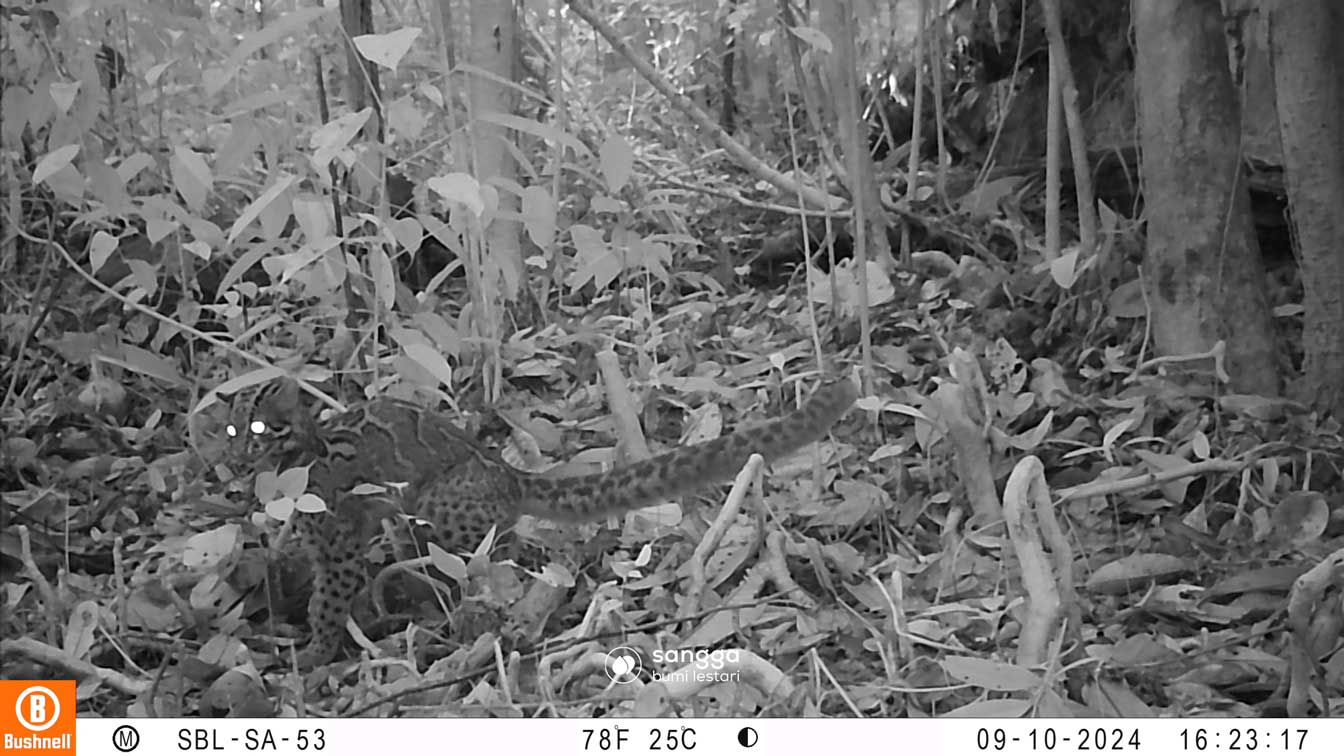
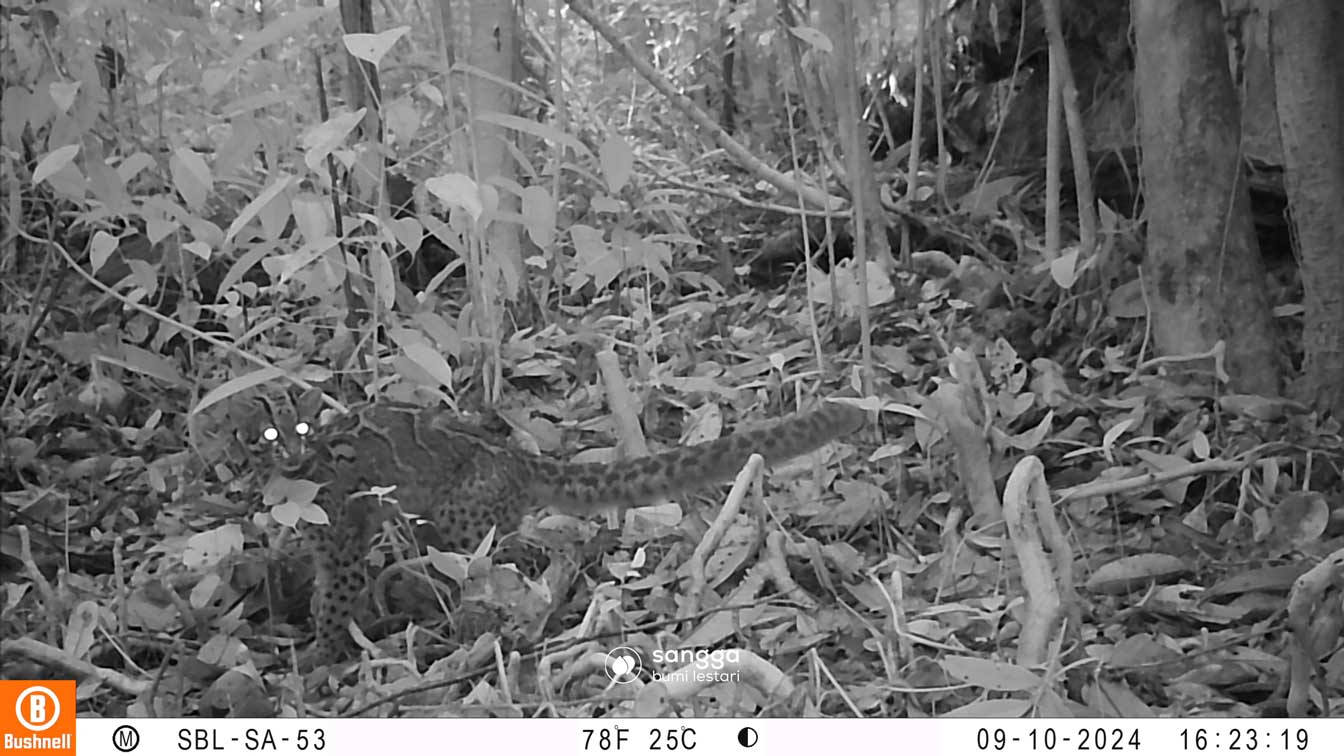
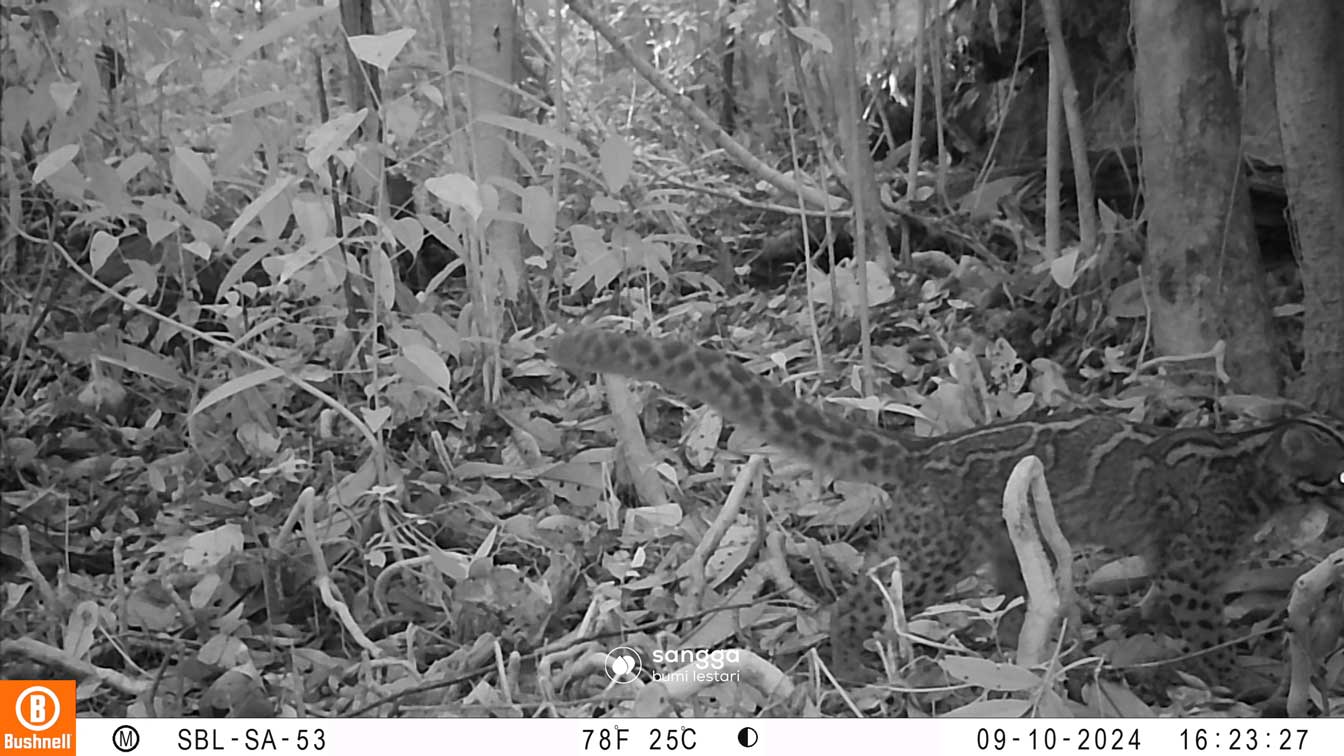
Description
The Marbled Cat is an agile, highly arboreal wild cat that is rarely seen in the wild. It is known for its exceptional climbing ability and spends much of its life high in the forest canopy.
Its presence is closely tied to intact forest habitat. Marbled Cats are seldom found in open or heavily degraded areas. Their reliance on canopy connectivity makes them particularly sensitive to forest fragmentation.

Conservation Status: Near Threatened
Ecological Profile
Primary lowland and hill dipterocarp forests, especially areas with structural complexity and canopy connectivity.
Highly arboreal, agile, and secretive. The Marbled cat appears to be at both day and night, with significant use of the forest canopy. It appears to rarely use open or heavily degraded areas, requiring intact forest to move and hunt efficiently.
The Marbled cat is a strong climber and feeds mainly on arboreal and semi-arboreal prey, including squirrels, birds, tree-dwelling mammals, and reptiles.
Physical Characteristics
Body and Build
Marbled cats are often mistaken for a juvenile Sunda clouded leopard due to their similar coat patterns. Marbled cats are much smaller than Sunda clouded leopards. The long tails, which are nearly as long as their bodies, is an adaptation for balance in the canopy, reflecting its strongly arboreal lifestyle.
- Head–Body Length: ~45–62 cm
- Tail Length: ~35–55 cm
- Weight: ~2–5 kg
West Kalimantan Range
(Based on IUCN data)