
Prionailurus planiceps
Flat-headed Cat
Recorded Sightings
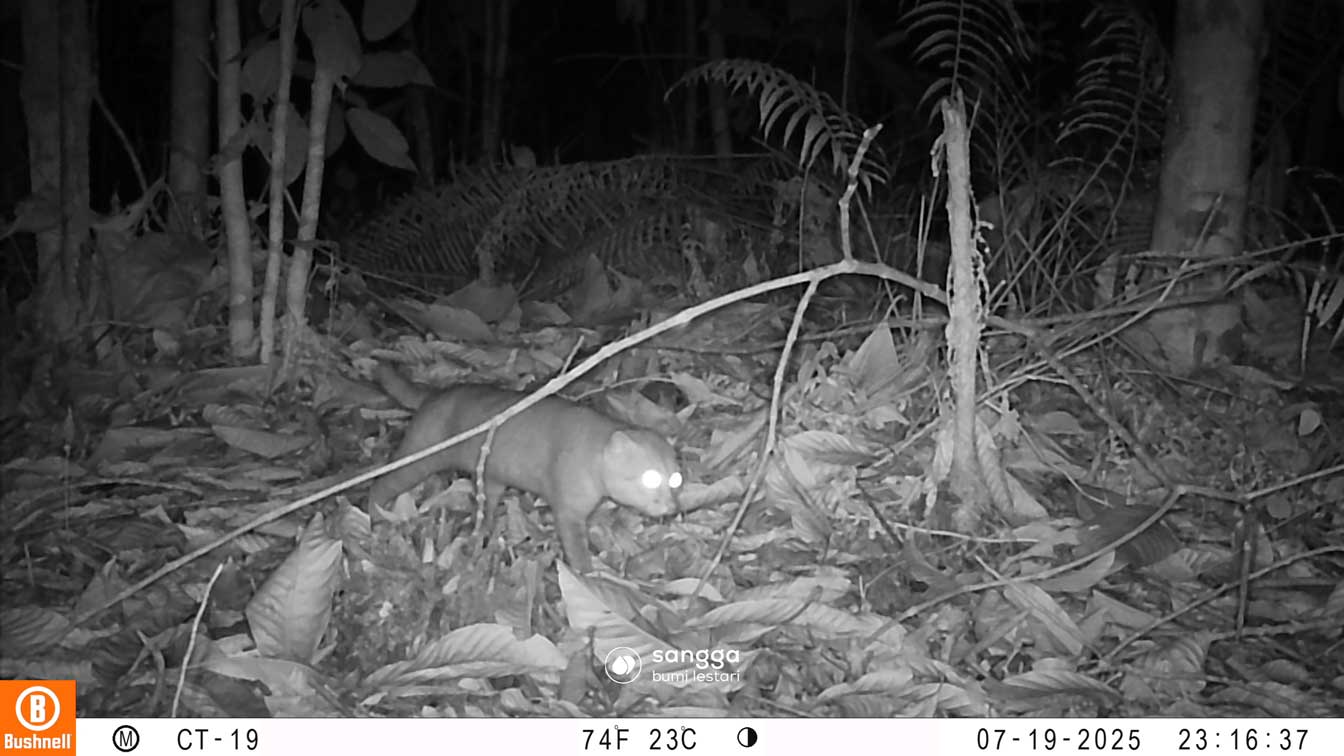
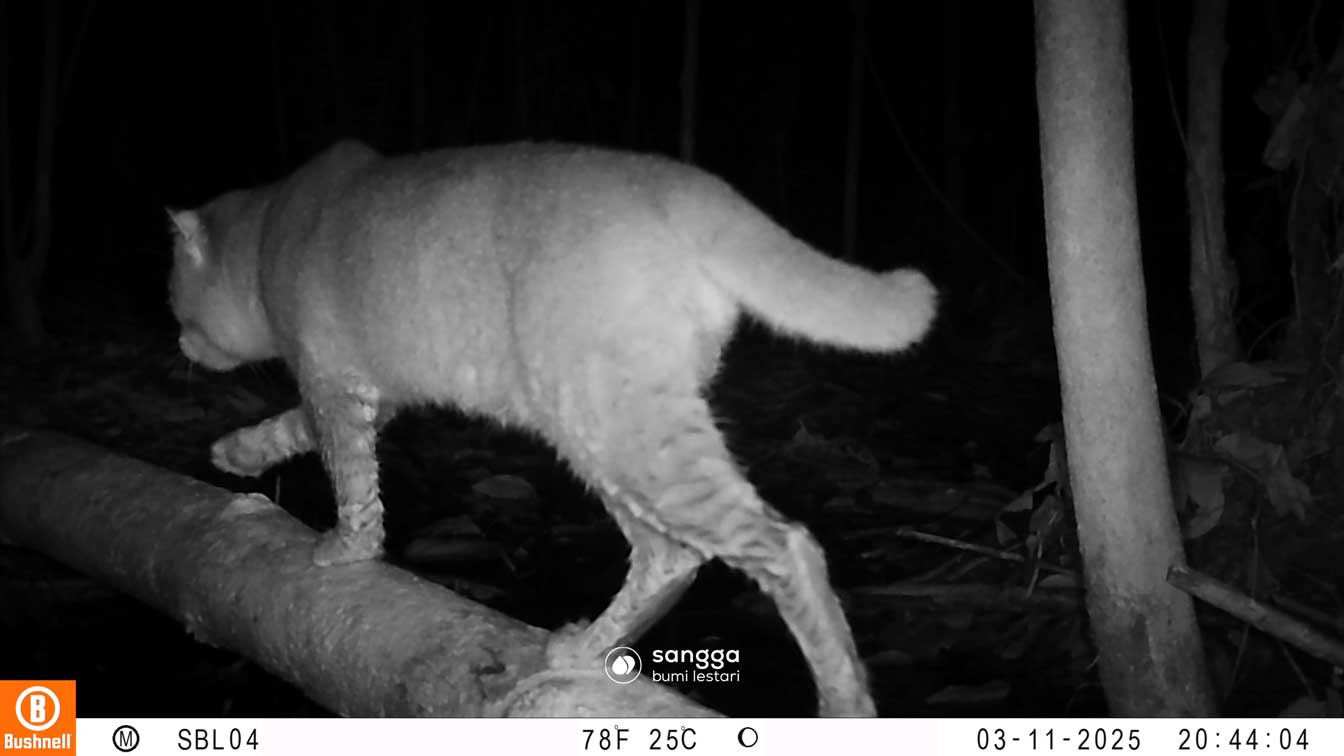
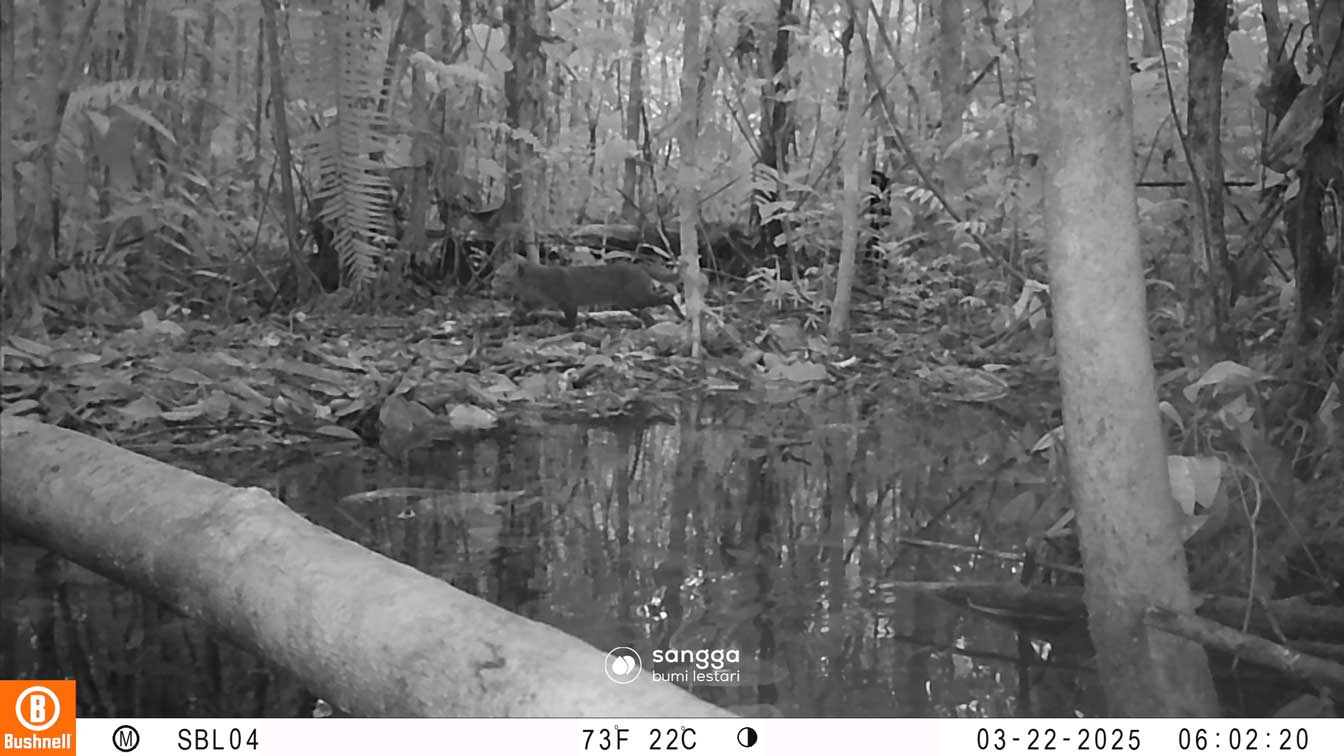
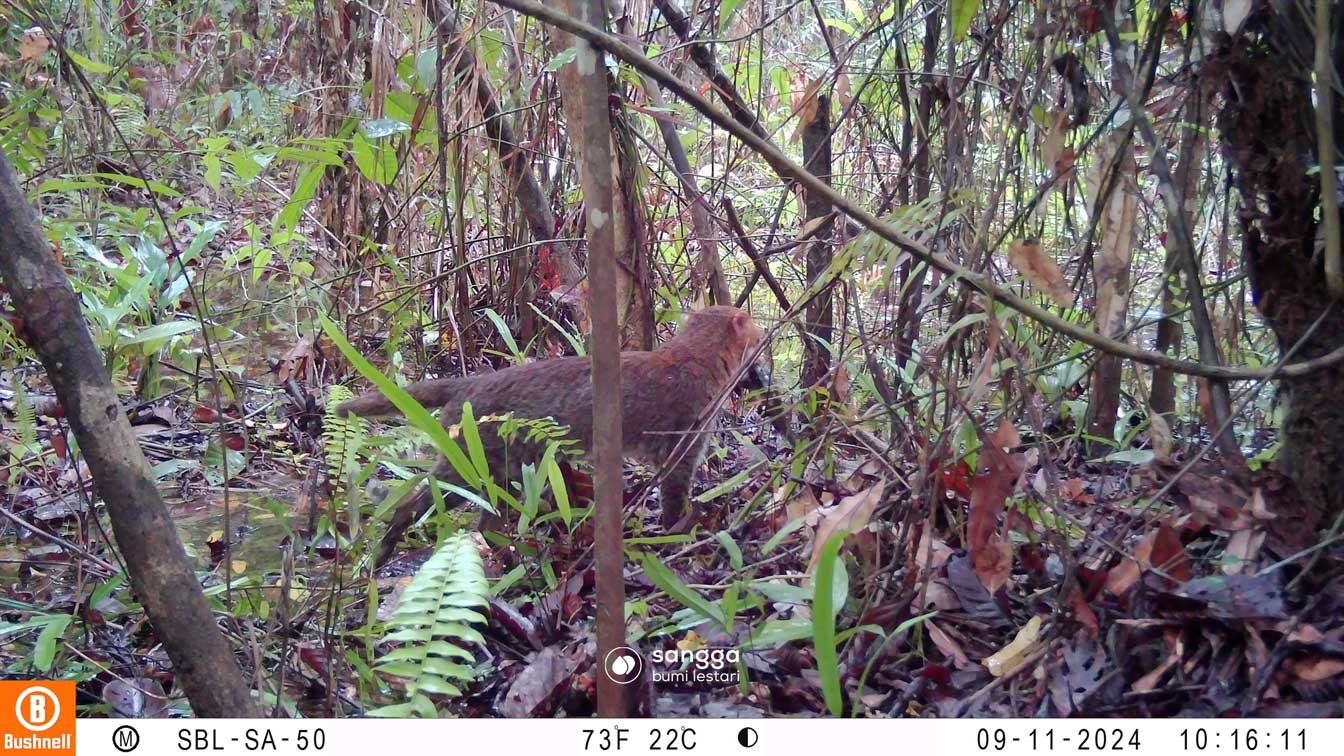
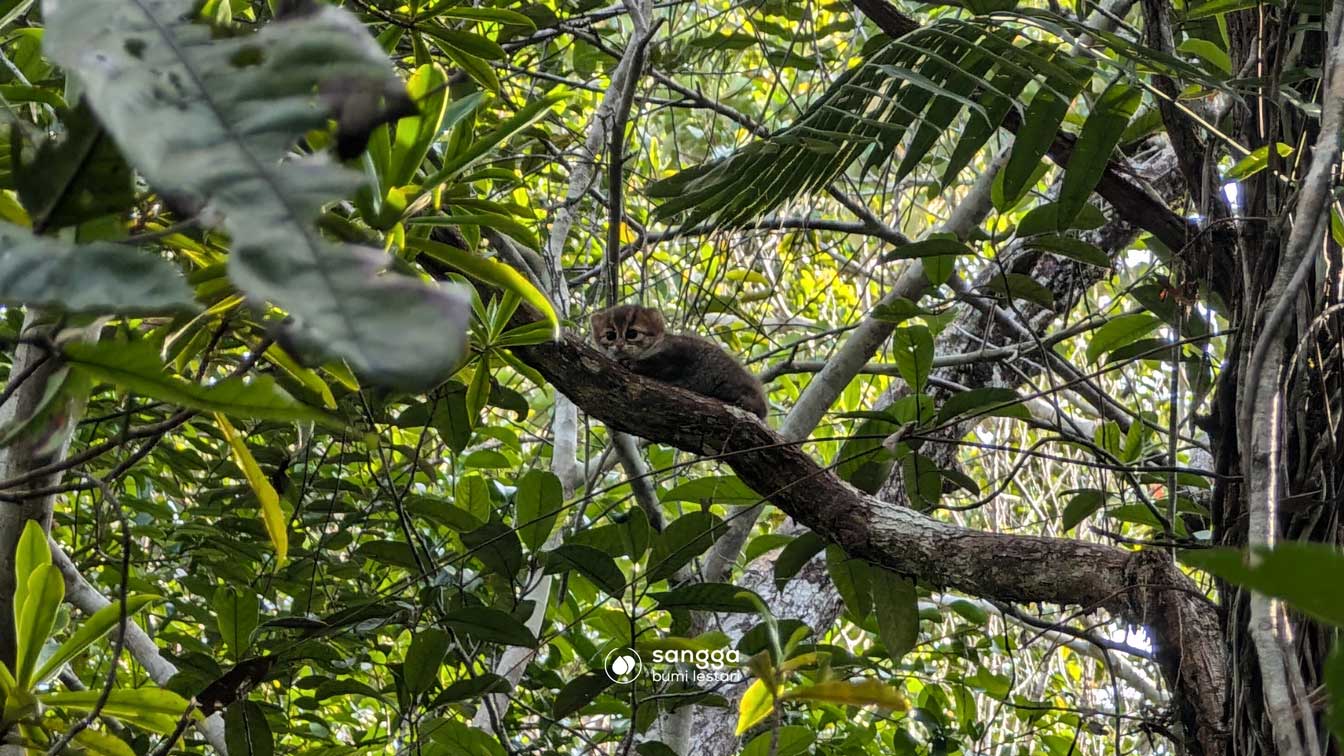
Description
The Flat-headed Cat displays a suite of unique adaptations for hunting aquatic prey, including large, forward‑facing eyes that enhance depth perception—crucial for catching fish. Its distribution is limited and highly fragmented, making population data scarce.

Conservation Status: Endangered
Ecological Profile
Tropical freshwater lowlands closely tied to rivers, tributaries, riparian forests, mangroves and peat swamps.
A specialist species closely tied to rivers, streams, peat swamps, and wetlands. The Flat-headed Cat is mostly nocturnal or crepuscular (active before sunrise or after sunset). They are often observed near water edges and have unique adaptations for hunting in water, including forward-facing eyes and partially webbed feet.
They mainly consume fish, along with frogs, crustaceans, and aquatic insects. Flat-headed cats may occasionally eat small mammals or birds near water.
Physical Characteristics
Body and Build
A small, short cat with a flattened skull and short tail. Its compact body and short legs are adaptations for hunting along water edges rather than climbing or chasing prey over long distances.
- Head–Body Length: ~45–50 cm
- Tail Length: ~15–25 cm
- Weight: ~1.5–2.5 kg
West Kalimantan Range
(Based on IUCN data)